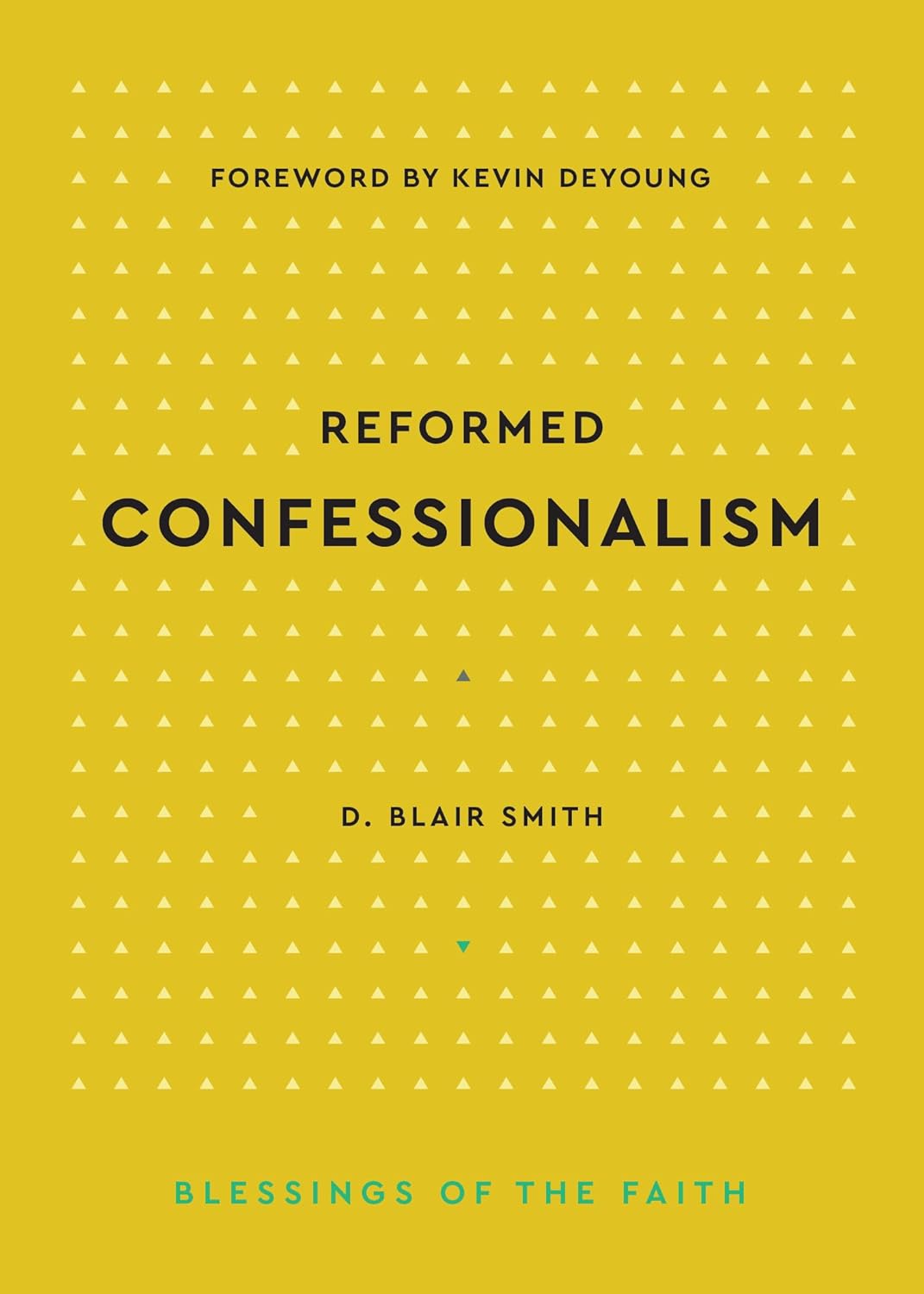
A Book Review from Books At a Glance
by Ryan M. McGraw
The time is ripe for recovering Christian creeds, confessions, and catechisms. In light of the wreckage and confusion caused by evangelical cries of “no creed but the Bible,” many people are starting to realize that, while well-meaning, this slogan has both distanced people from being able to articulate the Bible’s teaching clearly, and from unity with historic Christianity. Yet creeds, confessions, and catechisms have always been tools for teaching the substance of Scripture. Christian creeds summarize the Christian faith succinctly. Confessions and Catechisms, however, are much longer. Catechisms enable catechizing, leading people to dialogue through solid questions and answers about faith and life, and Confessions make extended statements about the same. Starting over from scratch would be disastrous in any other discipline, whether accounting, mathematics, medicine, or making computers. So, churches seeking to start from scratch in interpreting the Bible are liable to reinvent old heresies instead of reviving biblical faith.
Blair Smith offers a timely and well-written introduction to Reformed confessional theology and practice, at just the right level to edify and strengthen the faith of the average church member (or visitor). As the series title indicates, this fine little book not only shows why we need Reformed confessions and catechisms, but why they are such a blessing to the church. All church-goers and, more importantly, lovers of Christ, will benefit from and be encouraged by this solid book.
After introducing Reformed confessionalism as providing “guardrails,” helping the church stay focused on the right things while staying on the right track, Smith unfolds his topic in five chapters. Chapter 1 properly subordinates Confessions to the authority of Scripture, defines creeds, confessions, and catechisms, and begins to unfold their value as teaching and discipleship tools. Rooting the need to confess Christ in Peter’s confession in Matthew 16:15 (33-35), chapter 2 moves through the Old Testament roots of corporately confessing our faith, the need to confess our faith publicly, and the blessing of clarifying what we believe by way of summary. Chapter 3 outlines the value of historic creeds and confessions, and while maintaining that they are not infallible like Scripture is, cautions us against amending them. He suggests that perhaps the most pressing questions in the twenty-first century, stretching beyond issues our forefathers could have envisioned or imagined, relate to anthropology in the face of transgender, homosexuality, and other challenges (65). Though such problems might result in making new confessions, or additions to old ones, the church should be ever-cautious not to proceed without building on past creeds and confessions (66). Tackling the bent and aim of this series of books head on, chapter 4 outlines no less than eleven blessings of Reformed confessionalism, replete with examples from a variety of key confessional documents. He concludes with a judicious warning against muting these blessings by either letting confessions “supplant Scripture in the life and ministry of the church,” or turning them into “hammers rather than guardrails,” attacking those unfamiliar with them or seeking to “stamp out any hind of doctrinal deviation among the faithful” (90). Concluding his treatment of Reformed confessionalism, chapter 5 illustrates how Reformed confessionalism promotes the health of the church by providing “roots and perspective in tumultuous times, shaping the ministers and elders of the church, and fueling the church’s unity” (93). The last of these issues is particularly pointed in that Smith demonstrates how confessions are intended to unite, rather than divide, the church around core aspects of Christian faith and life.
Historically, Reformed confessionalism incorporated key Christian creeds, while expanding the Bible’s teaching in ways meant to nourish believers with solid food and tone their spiritual muscles through the exercise of godly meditation and prayer. Reformed confessionalism envelops some of the best statements of historic Christianity that, though not exactly expanded into a fully systematic theology, gives believers a robust path for discipleship. Those praying through such documents, with their Scripture proofs, will deepen their knowledge of the word of God and of the God of the word as they grow up to maturity in Christ. By the Spirit’s help, this volume can promote Christian stability as we seek to grow into unity and perfection in the Savior.
Ryan McGraw
Greenville Presbyterian Theological Seminary