A Book Review from Books At a Glance
by Ryan M. McGraw
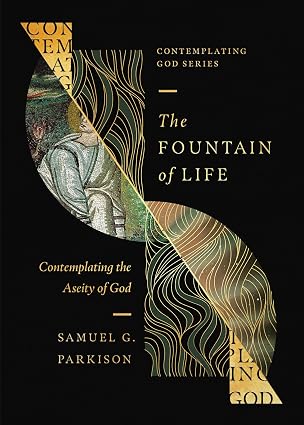
Contemplating God, and the incarnate Christ, are, arguably, the most important things that Christians can do in this world. In fact, in the so-called beatific vision, or blessed and blessing sight of the Triune God in glory, contemplating God in Christ will be the main business of heaven. Whether we can imagine it now, God’s glory is inexhaustible, and the depths of his character, tri-personhood, and works, displayed most gloriously in the Savior, will be enough to preoccupy perfectly sanctified people forever. Yet contemplating God’s fulness of life in himself, known as aseity, can make challenging dinner conversation in a family. Existing eternally in abundantly blessed life that is self-sufficient, neither creating the world nor communicating goodness out of need, but out of abundant generosity can sound abstract. However, God’s character is both foundational to the gospel of Jesus Christ, God saving in a way that is in character, and contemplating God’s glory can give us a taste of a heavenly banquet even while conversing over a common meal. Samuel Parkinson’s little book on divine aseity leads a general audience toward seeing how this can happen. Presenting God’s abounding and glorious life in himself from Scripture, with practical examples and implications, he introduces readers to think and pray about divine aseity with an aim to trust and worship God. He does so simply and smoothly, promoting devotional reflection on the Triune God revealed best in the Son and his incarnation.
The Fountain of Life is a non-technical book on what is often a very technical topic, reaching an audience that needs to hear its message. Parkinson’s basic aim is to demonstrate that contemplating God’s self-existent, self-sufficient life “is not a distraction from practical living,” but a means of pursuing our chief end in glorifying God and enjoying him forever (7; citing WSC 1). Commencing with a dialogue with his eight-year-old son about God’s eternality (2), chapter one establishes some key questions surrounding divine aseity. Chapters two and three then present negative and positive ways of stating aseity, and how the doctrine relates to God calling himself “I am” in Exodus 3:14 (23). Negatively, aseity means that God is independent of the world he made, creation being contingent and the Creator alone being necessary (15). However, this assertion is negative because it describes God in relation to the world. Positively, aseity means that God “is the plentitude of life” (19), which is true of God whether he created the world or not. While it is common for Bible commentators and theologians today to debate whether “I am that I am” implies abstract ideas like aseity or merely indicates that God can keep his promises to Israel, Parkinson rightly weds both lines of thought by saying that God is telling his people that while he has no need of them, he can and does share his “overflowing love” with them by blessing them in relationship with him (31). Chapters four through seven shift readers’ attention to God the Son as Creator, his aseity by eternal generation from the Father, how Christ’s divine aseity undergirds the gospel, and what it means for us to have eternal life in him. Linking chapter seven to the author’s dialogue with his son in chapter one, he helpfully shows that while our eternal life differs in kind and quality from God’s eternal life, yet having eternal life in Christ dimly reflects God’s life through “participation in the likeness of the divine life” (75). Parkinson’s thoroughly Trinitarian and Christological approach to divine aseity reaches far towards his goal of promoting “increasing delight” (76) in our God as we live for his glory now and seek to contemplate him in eternity. Though a few things need sharpening, such as including four premises in a “syllogism” instead of two (3), his work is a delightful introduction to delighting in divine aseity.
This book is the first installation in Crossway’s Contemplating God Series, which looks like a promising vehicle for helping Christians get excited about different facets of God’s character. Reorienting our focus toward God himself as the highest end of all that we think, say, and do (viii), The Fountain of Life sets a good trajectory for the series. If we think long and deeply enough about any divine attribute, then we will realize quickly how far beyond our thoughts God is and how out of our depths we are. Such realizations are good for the soul, putting God in his proper place and keeping us in ours. Doing theology and pursuing devotion are humbling exercises, and reading Parkinson’s book on aseity is a delightfully humbling exercise.
Ryan M. McGraw
Greenville Presbyterian Theological Seminary