A Brief Book Summary from Books At a Glance
by Joshua K. Smith
Overview
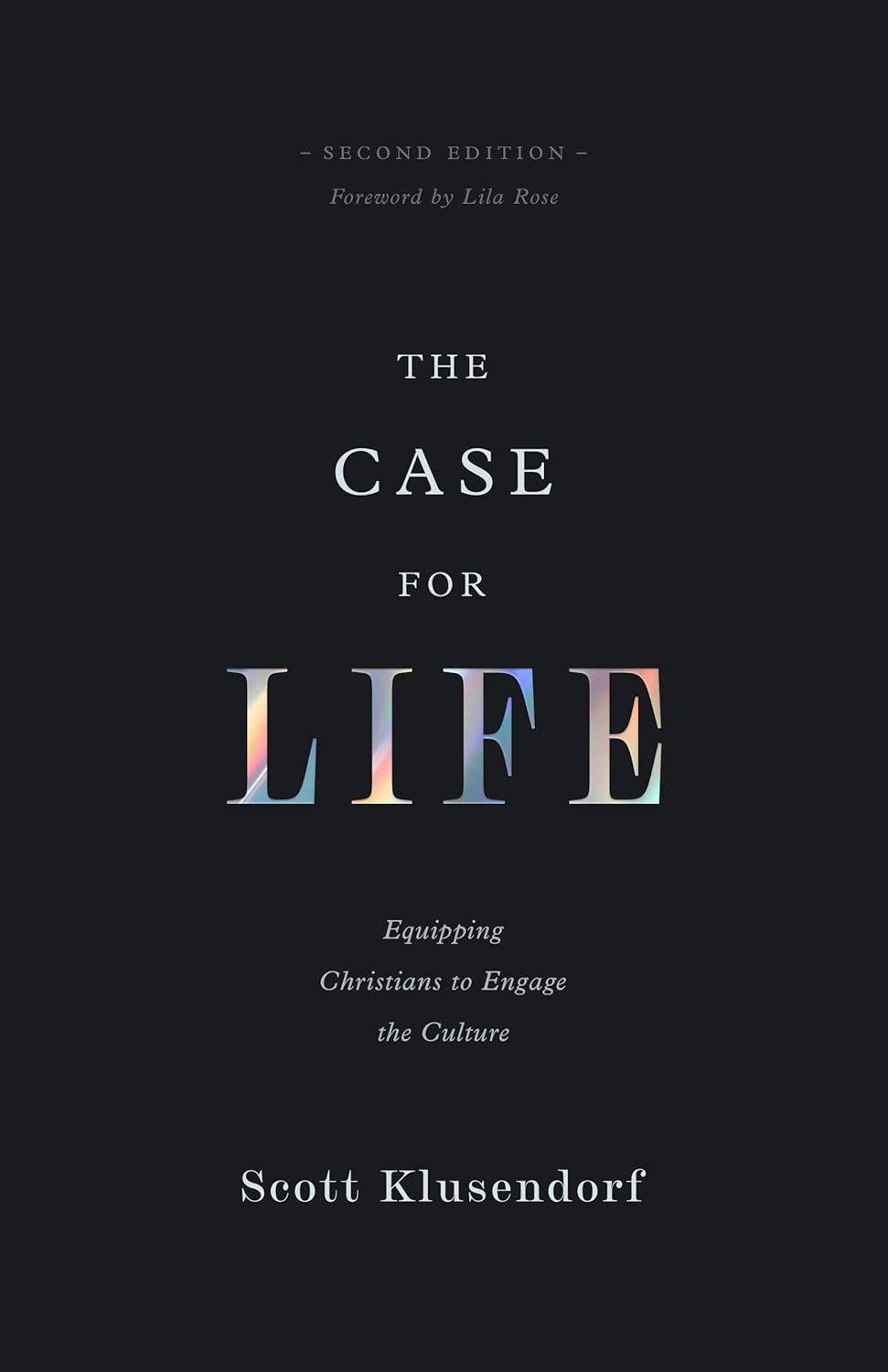
“The Case for Life” is a comprehensive guide designed to equip Christians with the knowledge and skills to effectively engage the culture on the issue of abortion. Scott Klusendorf moves beyond simply stating a pro-life position; instead, a rigorous framework for understanding the debate is laid out, centered on the foundational question: What is the unborn? The text challenges common pro-choice arguments by exposing their hidden assumptions and logical fallacies, using science, philosophy, and theology to make a compelling case for the full humanity and inherent value of the unborn. The idea of moral neutrality is refuted. The importance of engaging in genuine dialogue is underscored, and the reader is equipped with practical tools for conversations and rebuttals to common objections. Klusendorf also addresses the difficult pastoral aspects of this issue, urging Christians to be both truth-tellers and gracious ambassadors of the gospel who are willing to address sin and offer a path for healing. Ultimately, the book is a call to action, urging readers to engage the culture, address injustices, and defend those who cannot defend themselves, all while pointing to a clear understanding of how God values human life.
Table of Contents
Introduction
Part One: Pro-Life Christians Clarify the Debate
1 What’s the Issue
2 What Is the Unborn?
3 What Makes Humans Valuable?
4 Is Embryonic Stem Cell Research Morally Complex?
Part Two: Pro-Life Christians Establish a Foundation for the Debate
5 The Ground Rules, Part 1: Can you Name My Claim?
6 The Ground Rules, Part 2: Is Moral Neutrality Possible?
7 Foundations: Does God Matter? (Or Am I Just Matter?)
8 Dead Silence: Does the Bible Justify Abortion?
Part Three: Pro-Life Christian Answer Objections Persuasively
9 From Debate to Dialogue: Asking the Right Questions
10 The Cost Hanger Objection: “Women Will Die from Illegal Abortions”
11 The Tolerance Objection: “You Should Force Your Views on Others”
12 The Single Issue Objection: “You Shouldn’t Force Your Views on Others”
13 The Hard Cases Objections: “Rape Justifies Abortion”
14 The “I Don’t Like You” Objection: “Men Can’t Get Pregnant” and Other Personal Attacks
15 The Bodily Autonomy Objection: “It’s My Body, I’ll Decide”
Part Four: Pro-Life Christians Teach and Equip
16 Equip to Engage: The Pro-Life Past in the Twenty-First Century
17 Healed and Equipped: Hope for Post-Abortion Men and Women
18 Here We Stand: Co-Belligerence Without Theological Compromise
19 Can we Win? How Pro-Life Christians Are Making an Extraordinary Impact
Appendix: Training Resources
Scripture Index
General Index
Book Summary
Introduction
The Case for Life responds to two key questions facing society: What is truth, and what is the value of human beings? These are not obscure philosophical points; these are the very issues driving national debates on abortion, cloning, and embryonic stem cell research (ESCR). These debates are so contentious because they touch on deep-seated worldview beliefs about who we are. The essential question is simple, though the issues surrounding it are not. Either one believes every human has an equal right to life, or one does not. It is not a complex question, despite how the issue is often portrayed. To underscore this point, a critique of secular arguments against the value of human life must be presented by examining the assertions of David Boonin, including the jarring scenario of his desk photos. A biblically informed perspective is set out, which explains human equality, human rights, and moral obligations better than secular alternatives and, more importantly, demonstrates how pro-life Christians can make an immediate impact on the culture if they are properly equipped to engage it. (pp. 13-15).
This book is constructed to be a valuable tool for Christians on the front lines of the pro-life battle by simplifying the debate, establishing the proper foundation, refuting common objections, and providing guidance in pastoral areas. These include engaging in conversations, understanding the nature of the times, working with others without compromising faith, and knowing the proper path to healing for those who have had abortions. (p. 15). The text also focuses on equipping Christians who struggle with speaking up on this issue, which is a serious error to ignore since it is one of the most important discussions of our time. (p. 16).
Part One: Pro-Life Christians Clarify the Debate
Chapter 1: What’s the Issue?
The abortion controversy is not about pro-choice versus anti-choice; that is a misleading label that glosses over what’s truly at stake. It is also not about privacy, trusting women, or forcing morality. What really matters is just one question: What is the unborn? It’s tempting to get distracted by other considerations, but those all assume the answer to this essential query. Emily, a fictional character, discovers this when her friend Pam struggles to reconcile her pro-life convictions with the desire to let her niece make a personal choice about a crisis pregnancy. Thus, showing that common objections, such as wanting to be open-minded or not wanting government involvement, ultimately fail to address this essential question. Framing the debate correctly—are the unborn human beings?—allows for greater clarity in discussion, cutting through layers of deception and rhetoric. (p. 19-23).
The key is to simplify the debate by focusing on the unborn’s status and exposing hidden assumptions behind claims made by those who support abortion rights. By using the “Trot out the Toddler” technique, asking, ‘Would it be okay to do that to a toddler?’ Modern justifications for abortion often assume the unborn are not fully human. For pro-lifers maintain that elective abortion takes the life of a defenseless human being, making the only question the status of the unborn. If he or she is a member of the human family, killing is a serious moral wrong. The chapter concludes by showing that such an argument follows from a prima facie (at first glance) view that it is wrong to take human life and requires more clarity to resolve before considering other aspects of the debate. (pp. 27-30). . . .
[To continue reading this summary, please see below....]The remainder of this article is premium content. Become a member to continue reading.
Already have an account? Sign In