A Book Review from Books At a Glance
by Ryan M. McGraw
The modern world introduces some peculiarly modern challenges to Christian living. Most people in the Western world have means of becoming sedentary like never before, as screens replace sports and slumping over laptops replace strenuous laps. Because we are body/soul creatures, one part always and mysteriously affecting the other, the present generation likely needs exhortations to exercise like few others in human history. Jesus and his disciples walked everywhere, while we drive; farmers plowed fields, while we sit at desks. It is even possible to spiritualize sedentary living, especially among pastors, since sitting down to read, type, and pray can seem like our real spiritual work while going to the gym seems like an extra, if we have time.
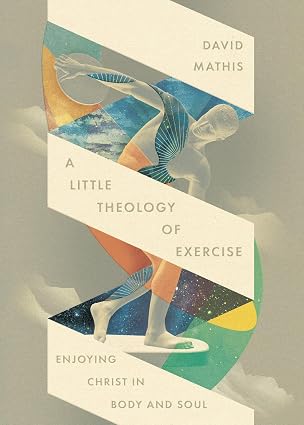
In seven simple chapters, David Mathis confronts such problems head on, not only demonstrating the value of physical exercise for both body and soul, but guiding readers how to incorporate exercise into life self-consciously to God’s glory. A Little Theology of Exercise is a useful guide to becoming proactive in yet one more area of life, leading readers to diversify the activities they include in doing all things to God’s glory (1 Cor. 10:31; Col. 3:17).
The book’s two parts focus on the need to move the body and how exercising the body helps condition the health of the soul. Chapter one focuses generally on movement, the goodness of creation, and the redemption of the body in Christ, noting along the way that some false teachers in the time of the New Testament denigrated the body (16). The author is pastorally sensitive to readers with physical disabilities, offering them hope of spiritual well-being in Christ (26-27). Though the texts he cites on how often the disciples were moving are not exactly to the point about us getting exercise, it does aptly illustrate some key differences between the ancient and modern world in relation to how our lifestyles have changed. Chapter two, on prayer, gets us to build habits of living life before God, including when we exercise. Part two leads readers to meditate on the implications of glorifying God in the body, the effects of a sound body on a clear mind, using exercise to strengthen the resolve of our wills in life in general, the benefits of bodily exercise on promoting thankfulness and positive emotions, and, finally, the influence that exercise can have in making us fit to do good works in serving others. Attentive readers will note that Mathis filters the benefits of exercise through the human faculties of mind, will, and affections, bracketed on the one side by man’s chief end (glorifying and enjoying God) and on the other by love to God and neighbor as a result. This short book offers strong motives and effective strategies for becoming more fit in body and in soul at once.
Though Mathis gets his point across persuasively enough, exegetically, he likely tries to get too much traction out of 1 Timothy 4:8: “for while bodily exercise is of some profit, godliness is of value in every way….” (ESV). Though Scripture is inspired down to its very words, Paul’s point in this text is not likely to promote the limited value of bodily exercise. Rather, he appears to argue from the greater to the lesser, making a statement about godliness more than about bodily exercise. In any case, it is striking how often Paul used metaphors for running in his writings to describe the Christian life (e.g., 67-68). Again, though not all of the author’s texts directly promote his thesis about exercise, his point is well-taken and well-made, especially in a time when pastors are most susceptible to wasting away their minds by weakening and fattening up their bodies by sitting behind desks most of the time (without sunlight too).
The chief benefit of this book is that it enables readers to push their ability to love the Lord with heart, mind, soul, and strength in yet one more area of life, giving readers the tools they need to live before God in any and every area of life. Far from being a worldly part of our earthly existence, exercise, done in the right proportion and at the right times, can become a means of spiritual well-being through physical fitness. This is a good little book that hopefully will get many Christians, and especially pastors, thinking about the Christian life in terms of more than just reading, prayer, meditation, and public worship.
Ryan M. McGraw
Greenville Presbyterian Theological Seminary