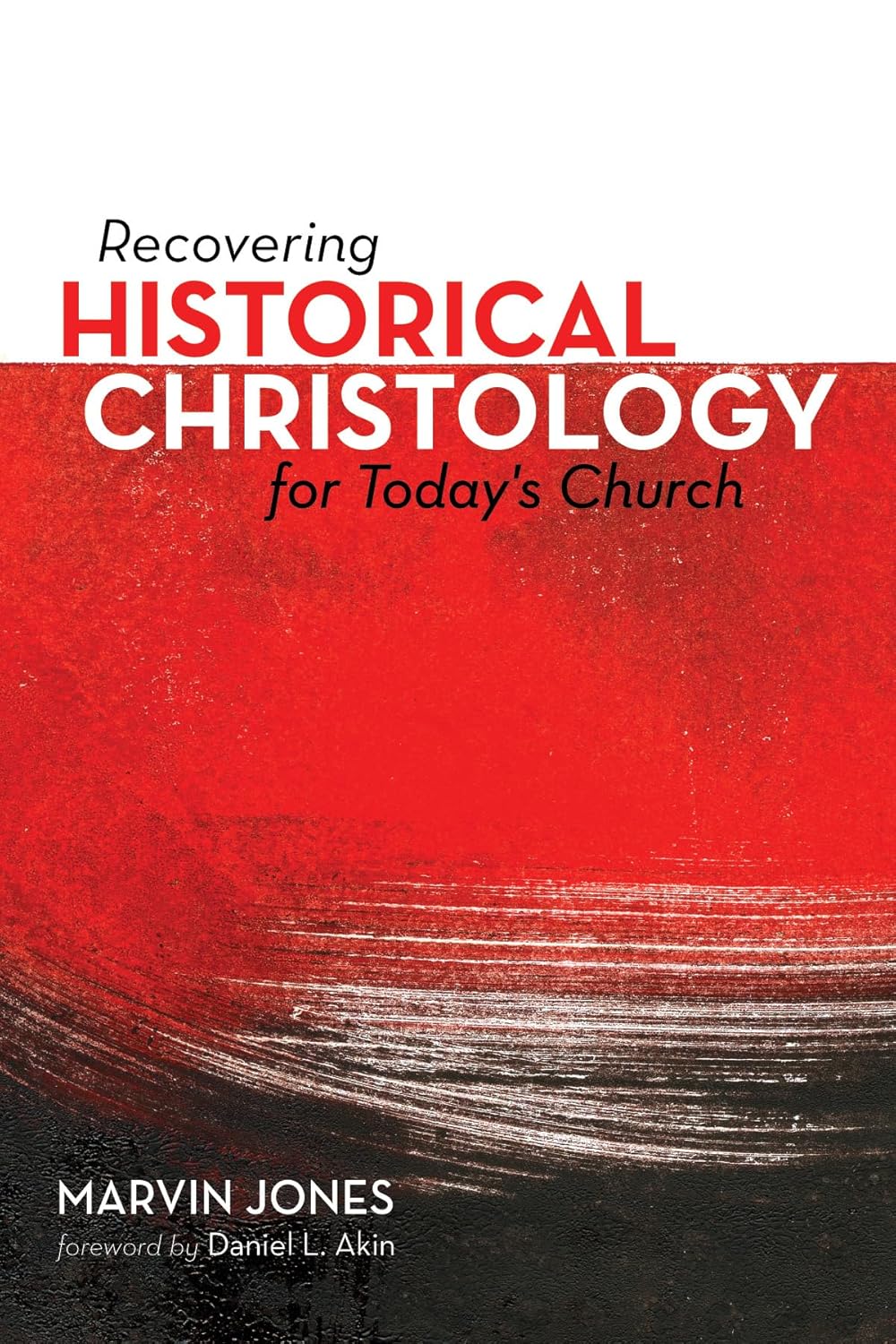
A Brief Book Summary from Books At a Glance
by Steve West
Table of Contents
1 The Christology of Colossians and Hebrews
2 The Christology of Philippians and John
3 The Deity of Christ in Christian Thought before Nicaea
4 The Road to Orthodoxy Leads to Nicaea
5 The Council of Constantinople (381)
6 The Council of Ephesus
7 Christology and the Chalcedon Council
8 The Person and Work of Jesus
9 Christological Preaching in the Contemporary Church
10 Christology for the Twenty-First Century
Summary
Chapter 1: The Christology of Colossians and Hebrews
Jesus Christ unifies all of Scripture and is the heart of the Christian faith. God comes to us in Christ incarnate. In Christology it is common to separate the person and work of Christ, but his work was only accomplished because of his natures. Orthodox Christology maintains that Christ is one person with two natures (divine and human). The incarnate work of redemption is accomplished by the Son who is sent into the world for that purpose by the Father. Colossians has a high Christology, where Christ is praised as Savior, Lord, and Creator. Christians in the Colossian church were struggling with understanding the identity of Jesus Christ. They were influenced by Christian, Jewish, and Hellenistic thinking. Jewish converts had to wrestle with the proper relationship between the old covenant law and new covenant grace. Some Gentile converts were influenced by early strands of Gnosticism, which prized esoteric wisdom and elitist spirituality. Surrounded by a Hellenistic culture, there was pressure on the Colossian believers to blend in, minimizing the distinctives of the faith. Paul’s key idea in Colossians is that Jesus Christ is Lord of all things. Christ is the image of the invisible God, the firstborn over all creation. (Firstborn does not refer to chronology, but to preeminence and supremacy.) God is invisible, but in Christ he is made visible; Christ is not merely a reflection of God, he is the fullness of the deity. In Christ, God is made fully known. As the firstborn, Christ exercises Lordship over everything.
In Hebrews, the argument is made that Christ is supreme over all things. Some Jewish members of the church were in danger of abandoning Christ to go back to the old covenant law, but the author of Hebrews shows that the person and work of Christ makes going back impossible. Christ is the fulfillment, and there is nothing to go back to. In the past God spoke through various prophets, but his climactic revelation is in his Son. The nature of the Son proves that he is fully divine; he is God. The Son can reveal the Father perfectly because the Father and Son share the exact same divine nature. This identification of deity for the Son is demonstrated through the quotation of numerous Old Testament Scriptures. Christ created the universe and upholds it at all times by his own powerful word. It is the Son who provided atonement and made purification for our sins. He is the heir of all things. God’s plan of redemption and revelation progressively led to the person and work of his incarnate Son. Given the person and work of Christ, he is still the one we need today; he is the revelation of God, our Lord, and our Savior. . . .
[To continue reading this summary, please see below....]The remainder of this article is premium content. Become a member to continue reading.
Already have an account? Sign In