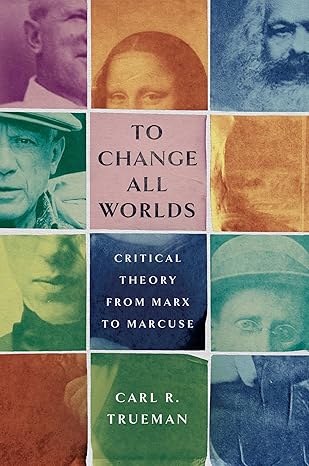
A Brief Book Summary from Books At a Glance
by Steve West
Table of Contents
1 The Importance of Critical Theory
2 Hegel, Marx, and the Origins of Critical Theory
3 The Crucible of the Critical Imagination: Karl Korsch and Georg Lukács
4 The Frankfurt School: From Traditional Theory to Critical Theory
5 The Problems of Enlightenment
6 Critical Theory and Sexual Revolution: Wilhelm Reich and Herbert Marcuse
7 The Culture Industry
8 Negating the Spirit That Negates
Summary
Chapter 1: The Importance of Critical Theory
Today, the term “critical theory” can generate passion, rhetoric, and division. Many use the vocabulary of critical theory without understanding the concepts behind it. This book examines the historical and cultural significance of critical theory, looking at its origins, claims, and development. In our contemporary society, critical theory deeply impacts our understanding of what it means to be human. All truly critical theories are revolutionary, and they ask probing questions about anthropology, truth, and culture. From a Christian perspective, the main problem with critical theory is its understanding of human nature. Critical theorists deny essentialism (i.e., that things have unchanging essences or qualities that determine what they are, and how they are to act). They see claims of a fixed human nature as being put forward for ideological and social control. To maintain their view, they must reject the Christian view of God and creation.
Although it may seem a long way from the old Frankfurt School to contemporary Critical Race Theory, there are organic connections and a clear line of influence. It is in the Frankfurt School that the fundamental logic of critical theory has its source. There has been development, of course, and there are many nuances and differences to be found amongst critical theorists, but there are also important commonalities. There are many advocates of critical theory today who are unaware of the philosophical systems that form the background of their thinking. Looking at the quality of the work of the early critical theorists in comparison with the work produced today, the earlier work is often more sophisticated, rigorous, and informed. One feature of critical theory is that it can sometimes identify real problems with culture, politics, and economics, but it is not as good at putting forward positive solutions; it cannot answer the question about what human nature actually is. It can point out problems and frame questions, but it has no constructive vision. . . .
[To continue reading this summary, please see below....]The remainder of this article is premium content. Become a member to continue reading.
Already have an account? Sign In